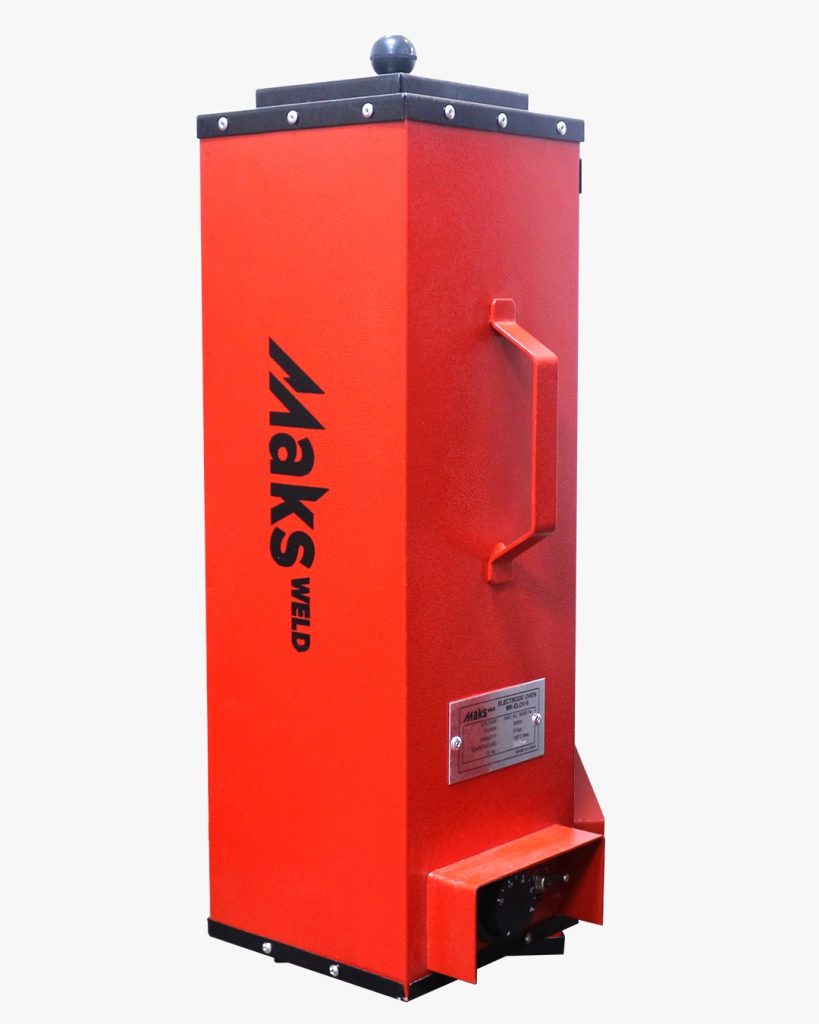
Where Can Use Maksweld MK-ELOV-9 Oven
- Construction Sites
- Used to store and preheat welding electrodes (like low-hydrogen rods such as E7018) to prevent moisture absorption.
- Prevents hydrogen-induced cracking in structural welds (bridges, buildings, power plants).
Example: On-site welding of steel structures or pipelines
2. Fabrication Workshops
- Keeps electrodes or flux at proper temperatures during fabrication of steel structures, pressure vessels, tanks, etc.
- Helps comply with WPS (Welding Procedure Specification) and ASME / AWS standards.
Example: Manufacturing tanks, frames, or heavy machinery
3. Oil & Gas Pipelines
- Essential for pipeline welding in remote areas where weather conditions can affect electrode quality.
- Prevents moisture absorption which can lead to weld defects or rejection during inspection.
Example: Cross-country pipeline welding operations
4. Shipbuilding and Offshore Platforms
- Essential for pipeline welding in remote areas where weather conditions can affect electrode quality.
- Prevents moisture absorption which can lead to weld defects or rejection during inspection
5. Power Plants & Refineries
- Used on board ships or oil rigs to ensure dry electrodes for critical welds in marine environments.
- Moisture resistance is vital due to high humidity and salt exposure.
How to Handle Maksweld MK-ELOV-9 Oven
- Keep it upright: Some ovens may contain heating elements or insulation that could be damaged if shaken or tilted aggressively.
- Place the oven on a stable and level surface like a countertop or metal table.
- Check voltage: Ensure the oven’s power requirement matches your outlet
(e.g., 220V or 110V).
- Use grounded outlets: Always plug into a grounded socket to avoid shocks or short circuits.
- Avoid extension cords, unless it’s a heavy-duty one rated for the oven’s wattage.
- During Use Preheat carefully: If preheating, don’t leave it unattended.
Use oven-safe gloves: When placing or removing items.
Monitor temperature: Use built-in or external thermometer if needed.
- After Use & Cleaning
Unplug and cool down: Let the oven cool completely before cleaning.
Wipe with a damp cloth: Avoid using harsh chemicals inside the oven.
Remove crumbs or residue: Keeps it safe and efficient.